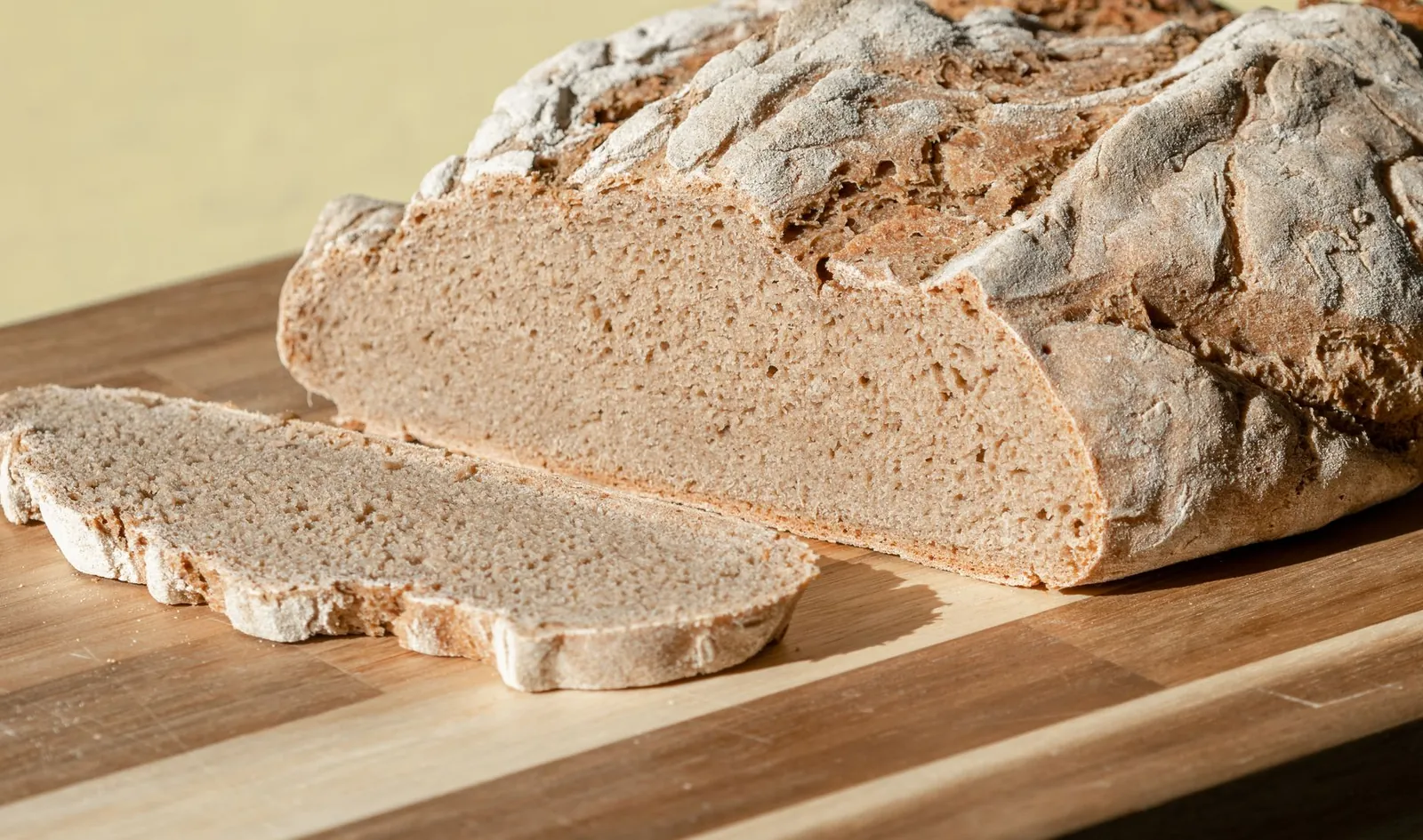
A loaf of sourdough is not finished when it comes out of the oven — it has a whole second life to live on your counter, and how you handle it decides whether that life is short and disappointing or long and generous. Fresh bread is at its peak for only a day or two, and then it begins the slow slide toward stale. Here's the thing worth knowing: stale is not the same as spoiled. A loaf that's gone firm and dry hasn't gone bad; the starch inside has simply reorganized in a way that squeezes out moisture and makes the crumb feel hard. That process is largely reversible, which is why day-old bread that seems past it can be brought back to something close to fresh with nothing more than heat and a little water. Between good storage and a couple of reviving tricks, a homemade loaf can feed you well for the better part of a week, and even the last dry heel has an honest use. Sourdough, with its natural acidity, actually keeps better than most bread to begin with — you just have to store it in a way that plays to that strength rather than against it.
The first rule: let it cool completely
Storage starts before storage. Never wrap or bag a loaf that's still warm. Warm bread gives off steam, and trapped steam turns the beautiful crackling crust soft and, over a day, invites a musty edge. Let the loaf cool fully on a rack — an hour or two — until it's at room temperature through and through. Only then is it ready to put away.
Keeping a cut loaf on the counter
For the first few days, the counter is the best place for sourdough. The enemy at room temperature is air, which dries the cut face and stales the crumb. The trick is to slow that drying without smothering the crust. Cut the loaf only as you need it, and store it cut-side down on a board so the exposed crumb is protected by contact with the wood. A cloth bag, a paper bag, or a bread box keeps the crust breathing while shielding the loaf from drafts.
- Cut-side down on a board seals the crumb against the surface and slows drying.
- Cloth or paper, not plastic, for the first days — plastic traps moisture and softens the crust.
- Skip the fridge for short-term storage; cold air actually stales bread faster than the counter does.
That last point surprises people. The refrigerator seems like it should help, but the temperature range inside it is exactly where starch stales quickest. Bread you'll finish within a few days lasts better on the counter than in the fridge.
Freezing for the long haul
The freezer is where sourdough's keeping quality really shines, because deep cold halts staling almost entirely. If you bake more than you'll eat in a couple of days, freeze the surplus while it's still fresh rather than waiting until it's on the turn. Slice the loaf first, then freeze it in a sealed bag with the air pressed out. Slicing before freezing means you can pull out exactly what you want and toast it straight from frozen — no thawing the whole loaf to get at two slices.
To bring a whole frozen loaf back, let it thaw at room temperature still wrapped, then crisp it in a hot oven for a few minutes to wake the crust. Frozen and revived well, a loaf tastes remarkably close to the day it was baked.
Reviving a stale loaf
This is the trick that makes home baking feel almost magical. Because staling is mostly the starch losing and rearranging moisture, adding moisture back and reheating largely undoes it. Run the whole loaf briefly under the tap or mist its crust with water — a light wetting, not a soak — then put it into a hot oven, around 200°C, for ten minutes or so. The water turns to steam inside, the crumb softens and freshens, and the crust crisps up again. For a few hours afterward the loaf eats almost like new. It won't keep as long the second time, so revive only what you'll eat that day.
When bread is truly past it
Some loaves are too far gone to revive whole, and that's fine — dry sourdough is one of the most useful things in a kitchen. Cube and toast it into croutons, blitz it into breadcrumbs and freeze them, or use thick slices as the base of a savory bread pudding or a bowl of soup. Its firm, tangy crumb holds up to these jobs better than soft sandwich bread ever could. The only bread you should throw away is bread that's actually moldy — visible fuzz or off smells mean it goes in the bin, no rescue attempted.
A loaf that earns its keep
Storing and reviving are the unglamorous end of the craft, but they're what turn a single afternoon of baking into most of a week of good eating. Cool it fully, keep it cut-side down under cloth, freeze what you can't finish, and splash-and-reheat what's gone firm. Handle a loaf this way and it repays every hour you spent on it — right down to the last dry heel, which becomes croutons for tomorrow's soup.