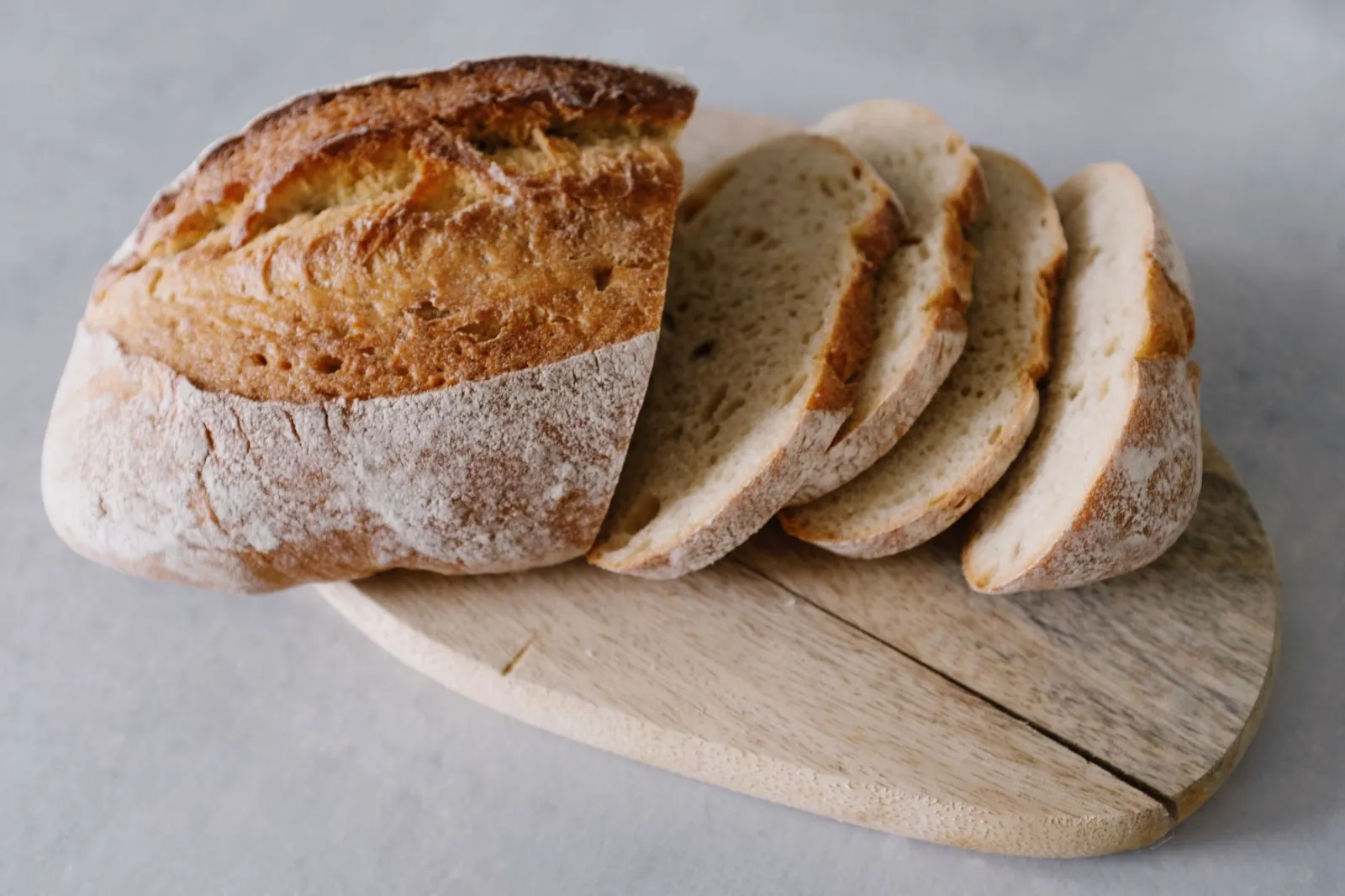
A loaf worth the wait begins days before the oven.
Sourdough rewards attention over effort. Feed a jar of flour and water on a schedule, learn to read a bowl of rising dough, and the bread takes care of most of the rest.
A quiet place for the long, slow craft of bread.
Sourdough has a reputation for being fussy. It isn't, really. It's just slow, and slow asks something most recipes don't: that you pay attention across a day rather than for twenty busy minutes. This blog is written for the cook who likes that trade — a little watching in exchange for bread with real character.
Nothing here relies on gadgets you don't own. A jar, a bowl, a hot oven, and a sharp edge cover almost everything. The rest is habit, and habit is what these five guides try to build.
- Plain method, no special flour cults or secret tricks.
- Timing you learn to feel — the poke, the dome, the smell.
- Bread you can repeat, not a one-time lucky bake.
Five steps from starter to sliced loaf
Read them in order the first time, then reach for whichever one you need. Together they cover the whole arc of a loaf — the living culture, the rise, the shaping, the bake, and the days after.
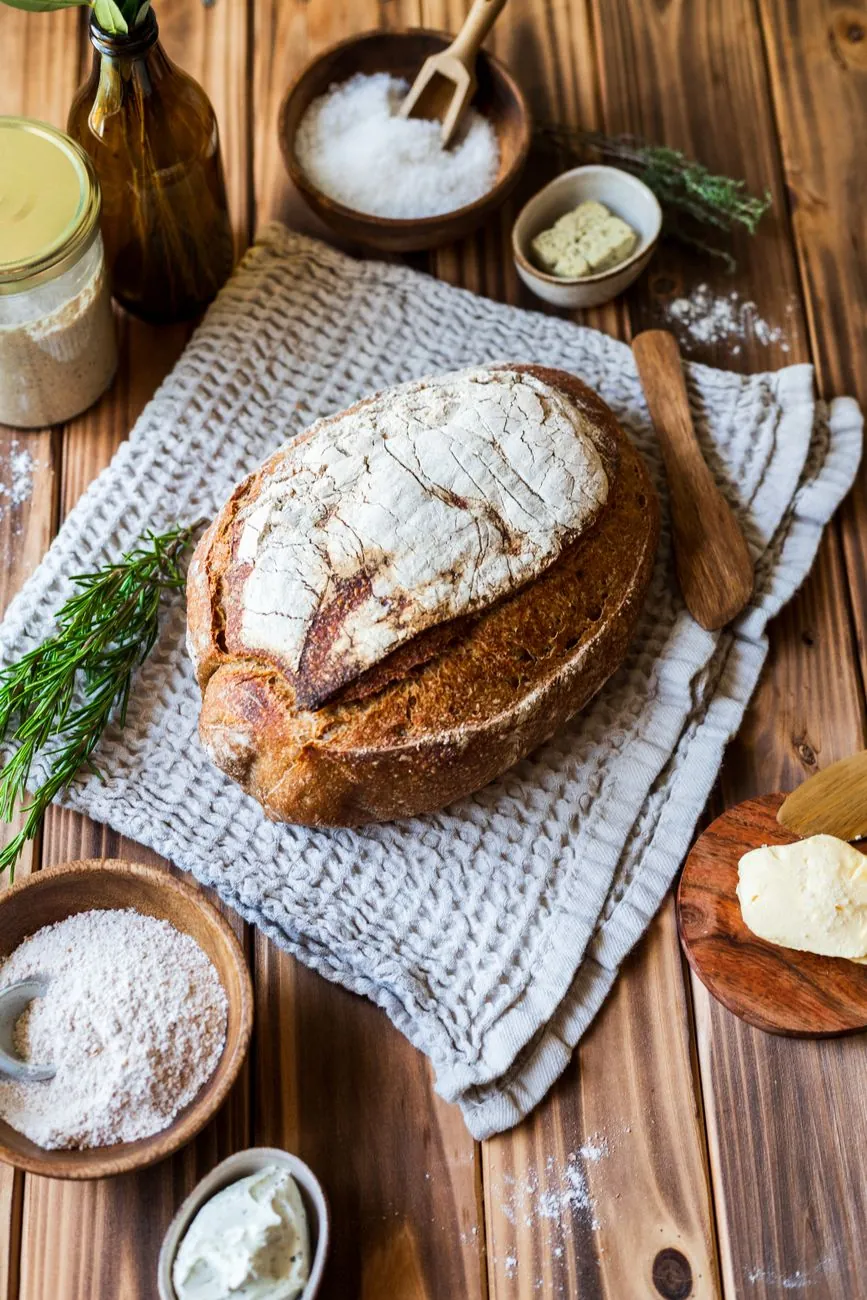 The culture
Keeping a starter alive
How to build a starter from scratch, feed it on a rhythm that suits your week, and read the signs of a culture that's ready to bake.
Read the guide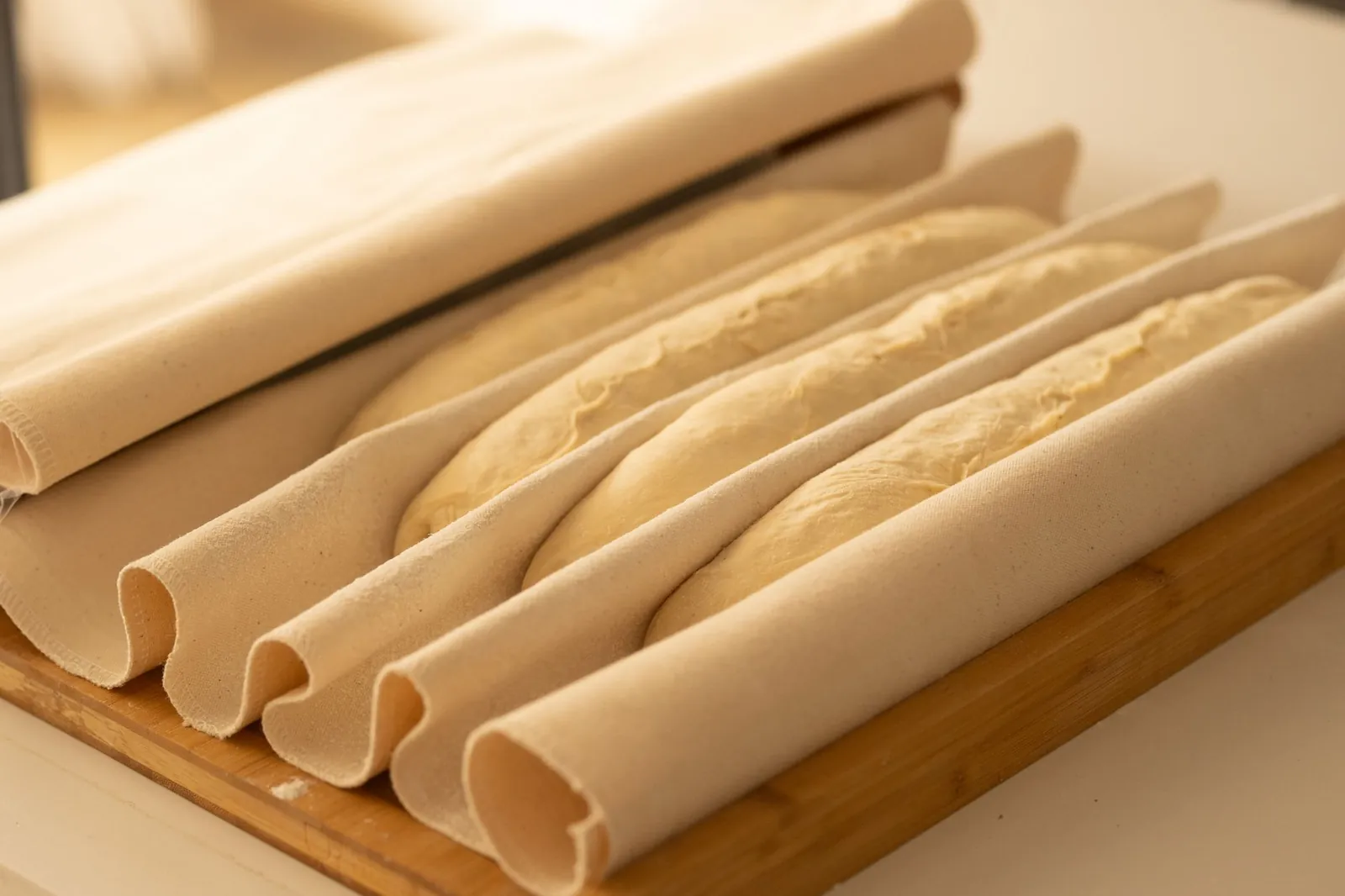 The rise
Reading the rise
The bulk fermentation is where flavor and structure are made. Learn what a well-risen dough looks and feels like, and when to move on.
Read the guide Shaping
The fold and the rest
Gentle folds replace hard kneading in a wet dough. How to build strength with a light hand, and why the rests between folds matter.
Read the guide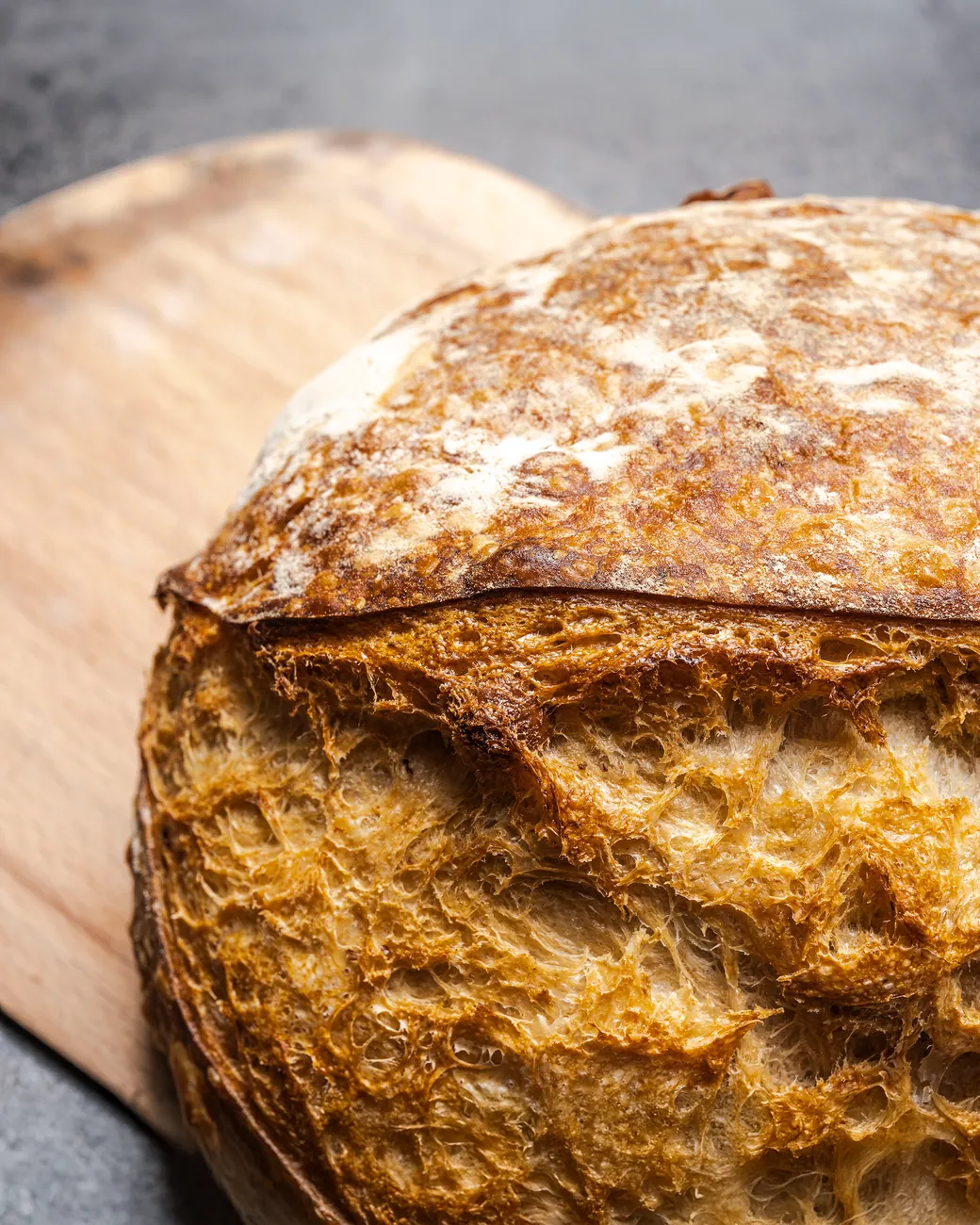 The bake
Scoring and baking
One decisive cut and a burst of steam turn a pale round into a crackling loaf. How to score with intent and bake for a deep, open crumb.
Read the guide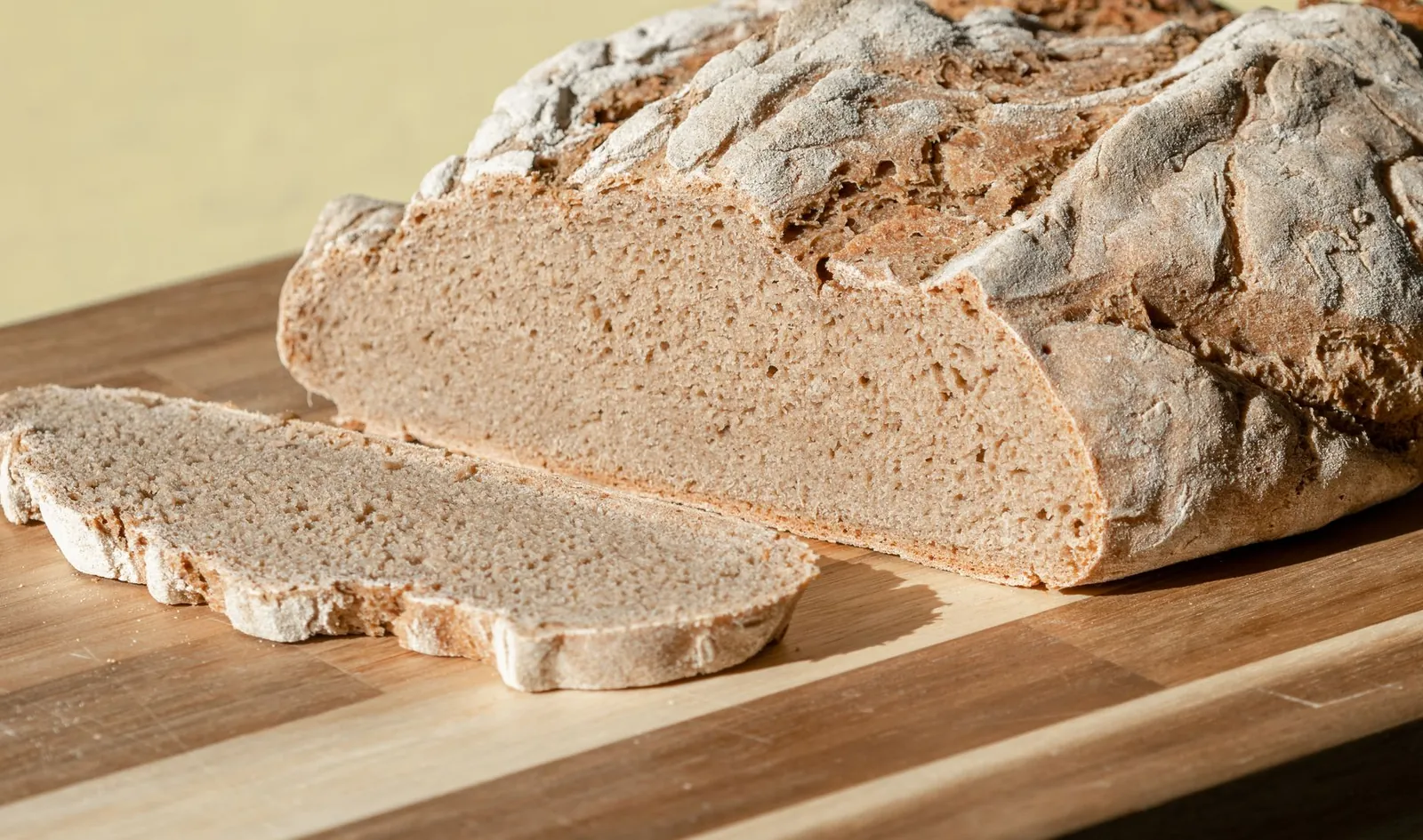 After the oven
Storing and reviving the loaf
Bread is at its best for a couple of days and salvageable long after. How to store a cut loaf and bring a stale one back to life.
Read the guideThree small habits behind every good loaf
Feed on a schedule
A starter thrives on regularity. Feed it at roughly the same time each day, or park it cold and feed it before you bake. Consistency beats fussing.
Watch the dough, not the clock
Room temperature swings the timing more than any recipe admits. Learn the look of a ready rise, and let the dough tell you when it's done.
Let it cool before you cut
A hot loaf is still setting inside. Give it an hour on a rack and the crumb finishes, the crust settles, and the flavor rounds out.
“Good bread isn't hurried into being. You feed it, you fold it, you wait — and the waiting is where the flavor lives.”The Sourdough Corner